
Quick answer
Select APAM for sand washing by testing molecular weight and anionicity against the actual clay/fines content, slurry solids and recycle-water target. The preferred grade balances settling speed, overflow clarity, compact underflow and resistance to process shear.
In sand washing systems, anionic polyacrylamide is often selected to accelerate fines settling and improve recycling-water clarity. However, model selection should still begin with the actual slurry condition. Clay content, particle size distribution, feed solids, process-water chemistry and return-water requirements can all influence how quickly a flocculant performs and how stable the settled layer becomes.
Anionicity and molecular weight are the two common screening dimensions. If molecular weight is too low, fine particles may settle slowly and the supernatant can remain turbid. If the polymer is too aggressive for the slurry condition, flocs may become oversized, difficult to control or sensitive to shear in pumps and pipes. The right balance often depends on whether the buyer prioritizes fast sedimentation, cleaner recycle water or easier sludge handling.
For preliminary recommendation, it is helpful to provide slurry concentration, pH, raw-water source, conductivity, return-water target, and whether the system uses a thickener, settlement pond or mechanical separation unit. In many aggregate and mineral-processing plants, the same APAM grade may not perform equally well when the mud fraction or clay ratio changes with feed source. Trial comparison under representative solids conditions is therefore important.
Buyers evaluating an anionic polyacrylamide supplier for sand washing should also confirm dissolution time, powder handling, packaging and sample support. The most useful article-level takeaway is simple: APAM should not be chosen only by a broad label such as high molecular weight. It should be screened against the real fines content, settling requirement and water-reuse target of the plant.
1. Characterize the slurry and recycle-water target
Sand source and geology control the amount and type of fines. Clay-rich feed, crushed-stone fines and natural sand washings can have different surface chemistry and settling behavior. Measure feed solids, particle-size distribution where available, pH, conductivity and the turbidity or suspended-solids target for recycled water.
Collect samples during normal production and during a difficult feed period if variability is high. A polymer chosen only on clear-weather or low-clay material may not protect the plant during peak solids loading.
2. Screen molecular weight and anionicity together
Higher molecular weight can improve bridging, but it also increases solution viscosity and sensitivity to poor make-down or mechanical shear. Anionicity affects adsorption onto mineral surfaces and interaction with dissolved ions. The best combination depends on mineralogy and water chemistry, not a universal high-number specification.
Overdosing can leave residual polymer, create fragile oversized flocs or worsen overflow quality. Test a dose curve for several grades rather than comparing products at only one arbitrary dose.
3. Reproduce the plant separation step
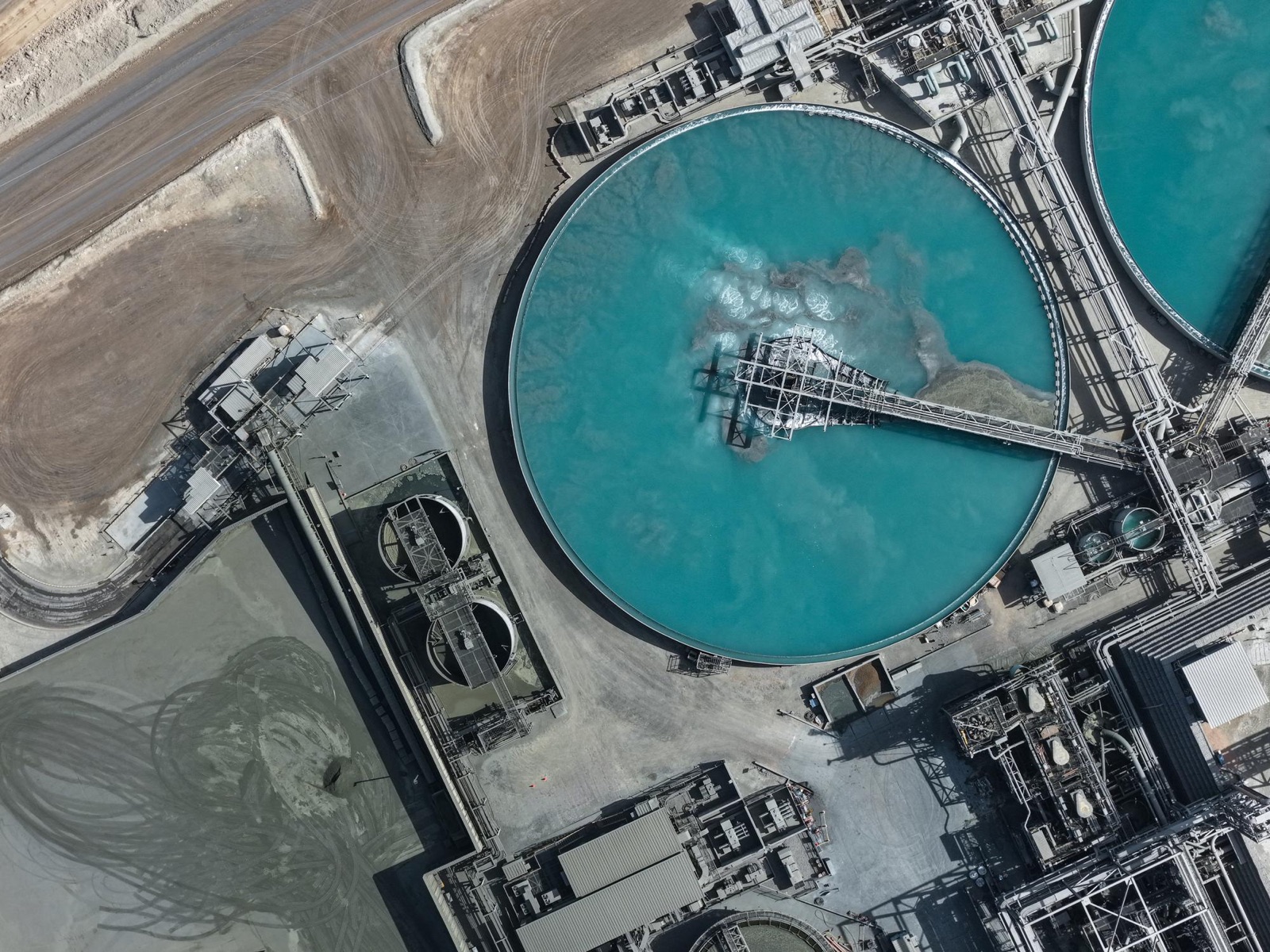
A settling-cylinder or jar test should use representative solids and the actual process water. Record floc formation time, interface settling velocity, overflow turbidity and final bed volume. For a thickener, also consider feed-well mixing, rise rate and underflow density; for a pond, consider retention time and seasonal flow.
- Prepare APAM with clean water and adequate maturation time
- Avoid high-shear transfer after floc formation
- Track overflow quality and underflow behavior together
- Recheck dose when feed source or solids loading changes
4. Compare total plant value
Evaluate polymer consumption together with recovered-water quality, fresh-water replacement, thickener capacity, sludge handling and downtime. The lowest price per kilogram is not necessarily the lowest cost per cubic metre of acceptable recycle water.
Frequently asked questions
Is the highest-molecular-weight APAM always best for sand washing?
No. Mineralogy, fines, water chemistry, shear and separation equipment determine the best range. Very high molecular weight can also be harder to prepare and meter.
Why does APAM consumption change when the sand source changes?
Different sources change clay content, particle-size distribution and surface chemistry, which changes polymer demand and floc structure.
What should be measured besides settling speed?
Measure overflow turbidity or suspended solids, final bed volume or underflow density, floc shear stability and the quality of water returned to the washer.
Related Solutions
Cationic, anionic and nonionic polyacrylamide plus polymeric and emulsion flocculants for solid-liquid separation.
Flocculants for sludge dewatering, mineral processing, sand washing, alumina production and tailings thickening.
Flocculants for slurry settling, sand washing water recycling, tailings thickening, alumina production and mineral concentration.
PolyDADMAC, polyacrylamide and flocculants for industrial wastewater treatment, municipal wastewater, clarification, coagulation, flocculation and decolorization.